As the CEO of Santanoo CNC Machining Service, I've had my fair share of experiences with various metals. Today, let’s talk about a material that stands out in marine applications: naval brass. Naval brass, a unique alloy combining copper, zinc, and often a touch of tin, is revered for its corrosion resistance and strength, especially in seawater environments. It's the go-to material for marine hardware, and for good reasons.
Understanding Naval Brass
Naval brass is more than just a shiny metal. Its composition typically includes 60% copper, 39.2% zinc, and a small percentage of tin. This blend gives it superior resistance to dezincification, a process where zinc is leeched from the alloy, weakening it.
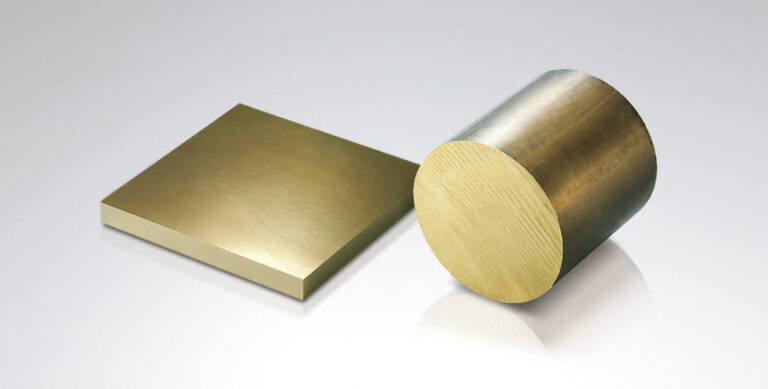
In comparison to other brass types, naval brass stands out for its higher strength and resistance to corrosion, particularly in saltwater.
It's this unique combination that makes it ideal for maritime environments, where other metals might fail.
Why Naval Brass?
In the marine world, naval brass is a superstar. It resists the harshness of saltwater, maintaining its integrity where other materials corrode.
This longevity is crucial for ships, propellers, and underwater fittings, where failure is not an option.

But why choose naval brass over other options?
It's simple: durability and reliability. These two traits are vital in marine applications, where safety and longevity are paramount.
Manufacturing Process
Creating naval brass is an art in itself. It involves carefully balancing copper and zinc, with tin added to enhance corrosion resistance. Quality control is key; even minor deviations can significantly impact the final product's properties.
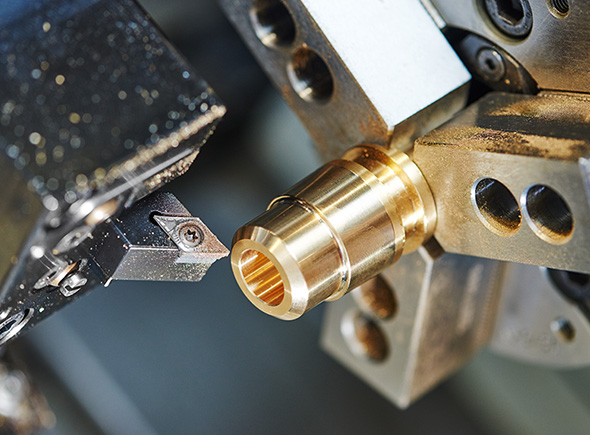
Our company takes pride in our precision. Each batch of naval brass is rigorously tested to ensure it meets the high standards our clients expect. This meticulous approach ensures consistency and quality in every piece we produce.
Applications in Different Industries
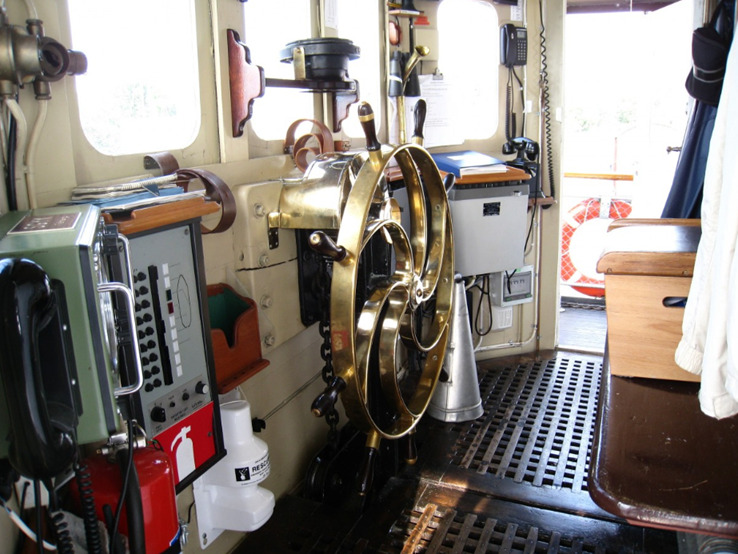
Naval brass isn't just for the seas. While it's a staple in the marine industry for components like boat hulls and propellers, it also finds use in other sectors. Its anti-corrosive properties make it suitable for use in heat exchangers, condensers, and even musical instruments.

Beyond boats and ships, naval brass is used in architectural elements and decorative pieces, adding a touch of elegance and longevity.
Challenges and Solutions
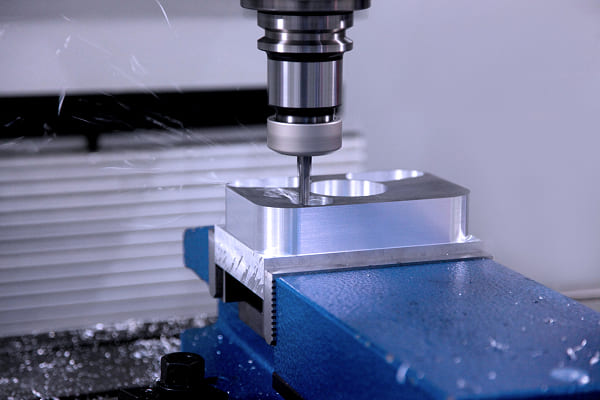
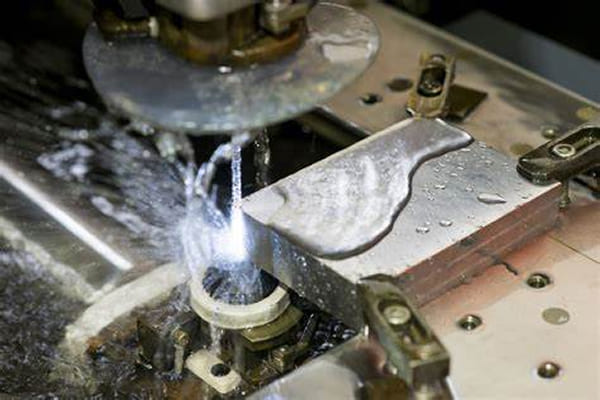
Working with naval brass isn't without its challenges. Machining this material requires precision and expertise, as its hardness can be taxing on tools. But, as a company specializing in CNC machining, we've developed techniques to efficiently and accurately work with naval brass.
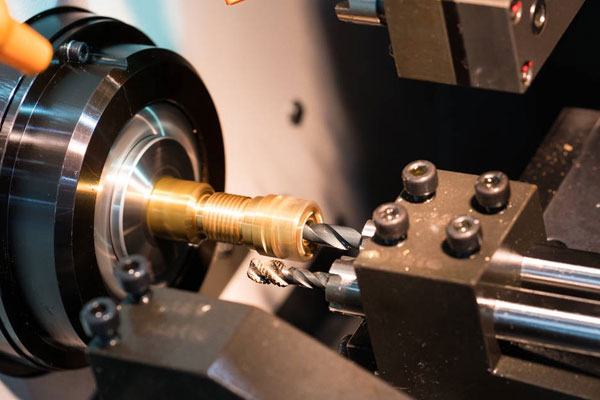
Our team constantly innovates to overcome these challenges, ensuring that we can deliver high-quality, customized solutions for our clients, no matter how complex their requirements.
Naval Brass in Our Business
At Santanoo, we don't just use naval brass; we master it. Our expertise allows us to offer customized solutions, tailoring each product to our client's specific needs. Whether it's a unique component for a ship or a bespoke architectural element, we have the skills to deliver.
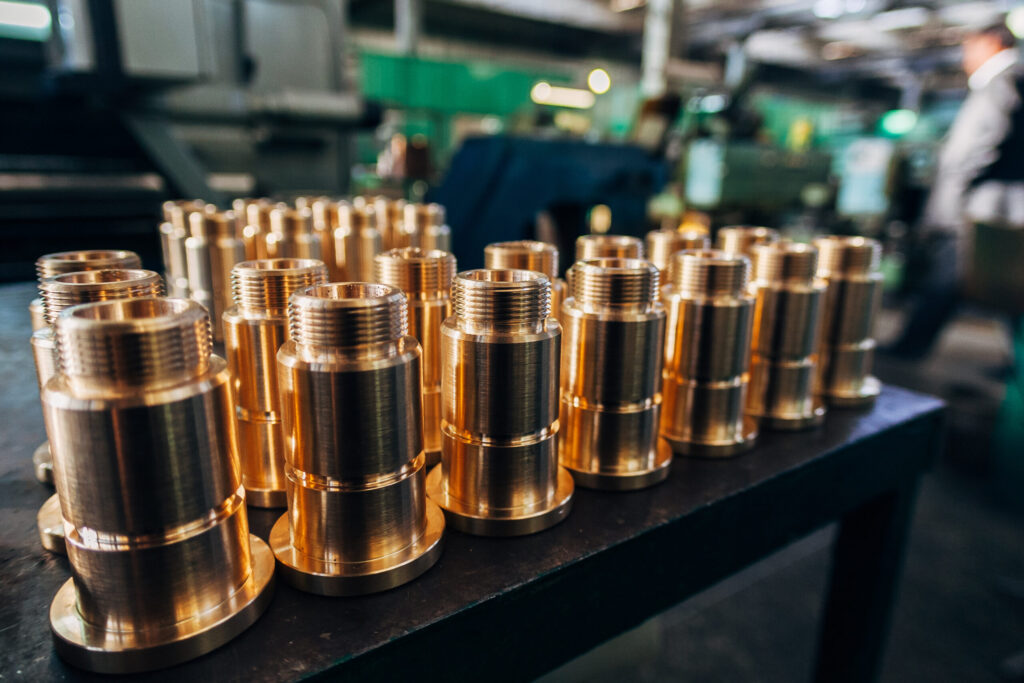
Our clients value our ability to provide high-precision, quality products with fast turnaround times. This is where our mastery of naval brass truly shines.
Future of Naval Brass
The future of naval brass looks as bright as its polished surface. With ongoing advancements in alloy technology and machining techniques, we can expect even more innovative uses and improved properties.
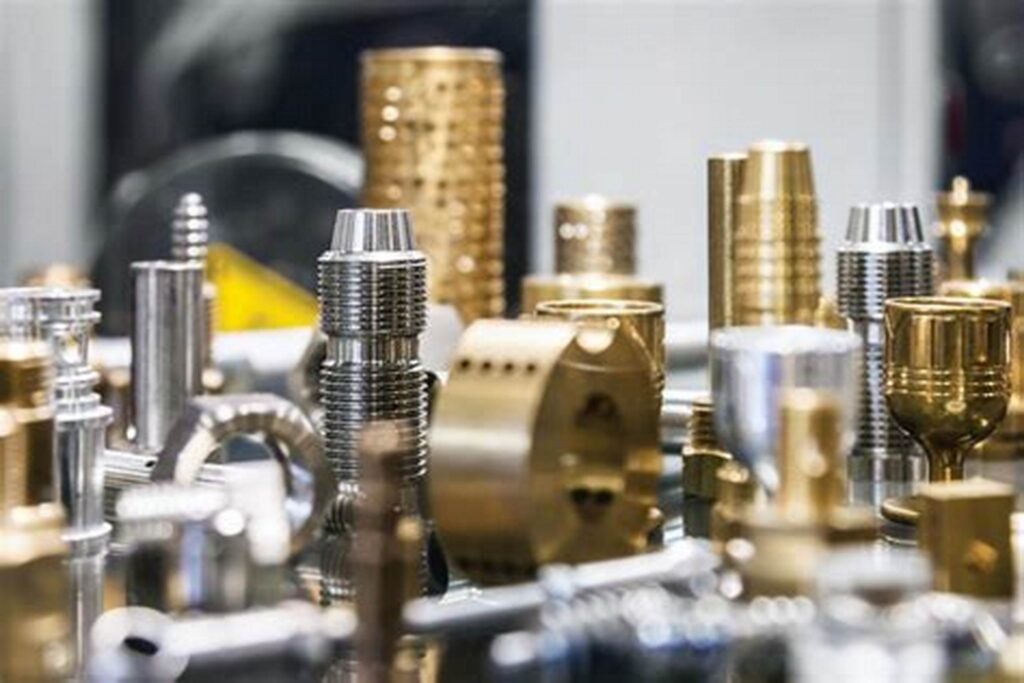
As we embrace these developments, our commitment to staying at the forefront of machining technology ensures that we remain a trusted and cutting-edge provider in the industry.
Conclusion
Naval brass is more than just a material; it's a testament to human ingenuity in overcoming environmental challenges. In the hands of experts like us at Santanoo, it becomes a versatile and invaluable resource for a multitude of applications.