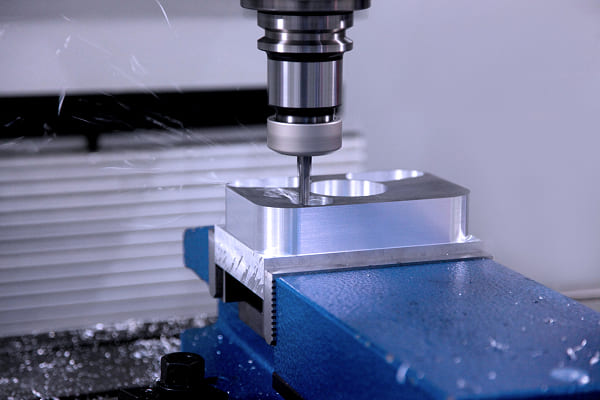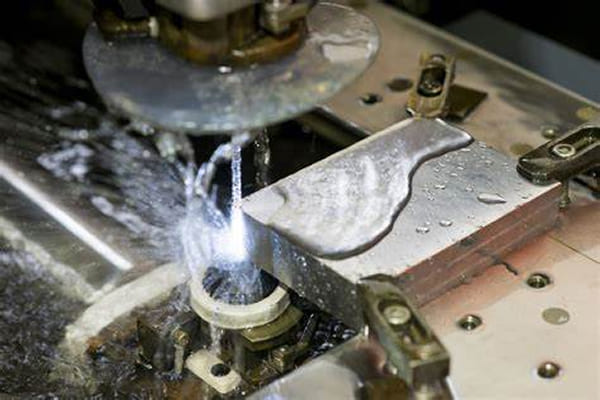

Aluminum alloys like 6061-T6 are essential in modern manufacturing, but understanding their strength is crucial for your project’s success. Let’s uncover what makes 6061-T6 stand out.
The yield strength of 6061-T6 aluminum is approximately 35,000 psi (241 MPa), making it a robust choice for applications requiring durability and light weight.
If you’re curious about why 6061-T6 is so widely used or how it compares to steel, keep reading as we delve deeper into this versatile alloy.
What is the difference between 6061 and 6061-T6 aluminum?
Aluminum comes in various grades, and each offers unique properties for specific applications. Understanding these differences can help you make better choices.
The main difference lies in the temper. 6061-T61 is heat-treated for higher strength, whereas 6061 without a temper designation has a baseline strength level.

Detailed Comparison of 6061 and 6061-T6
6061 aluminum is versatile, but the T6 temper enhances its properties. Here's a breakdown:
| Property | 6061 | 6061-T6 |
|---|---|---|
| Yield Strength (MPa) | ~110 | ~241 |
| Tensile Strength (MPa) | ~130 | ~290 |
| Hardness (HB) | ~30 | ~95 |
| Application | General use | High-strength parts |
The tempering process involves solution heat treatment and artificial aging, which increases strength but slightly reduces ductility. This makes 6061-T6 ideal for structural and aerospace applications, while standard 6061 suits less demanding uses.
What is the strength of 6061-T6 aluminum vs steel?
Many compare aluminum to steel to determine the best material for their projects. The choice depends on your application needs.
6061-T6 aluminum offers about 40% the strength of mild steel, but its lightweight nature provides a high strength-to-weight ratio.
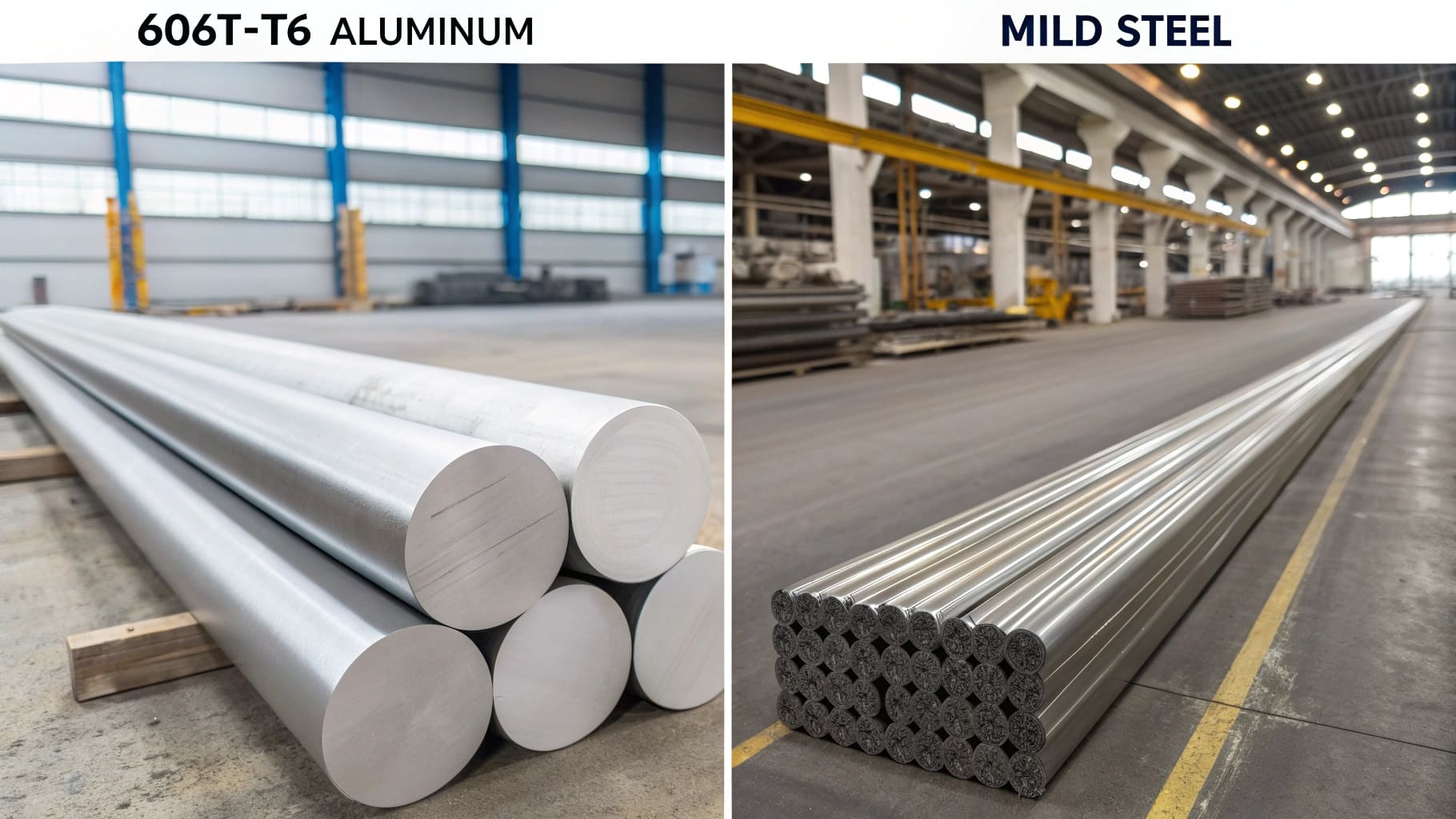
Aluminum vs Steel: Strength and Weight
Here’s a closer look at how 6061-T6 compares with steel:
| Property | 6061-T6 Aluminum | Mild Steel |
|---|---|---|
| Density (g/cm³) | 2.7 | 7.85 |
| Yield Strength (MPa) | ~241 | ~250-400 |
| Weight Advantage | 1/3 the weight | Heavier |
| Corrosion Resistance | Excellent | Moderate |
While steel is stronger in absolute terms, aluminum’s light weight and corrosion resistance make it a superior choice for applications where weight savings and durability are critical.
What is 6061-T6 material standard?
Material standards ensure consistency and quality in engineering applications. They’re vital for manufacturers and designers alike.
The standard for 6061-T6 aluminum is defined by ASTM B221 for extruded shapes and ASTM B209 for rolled plates.
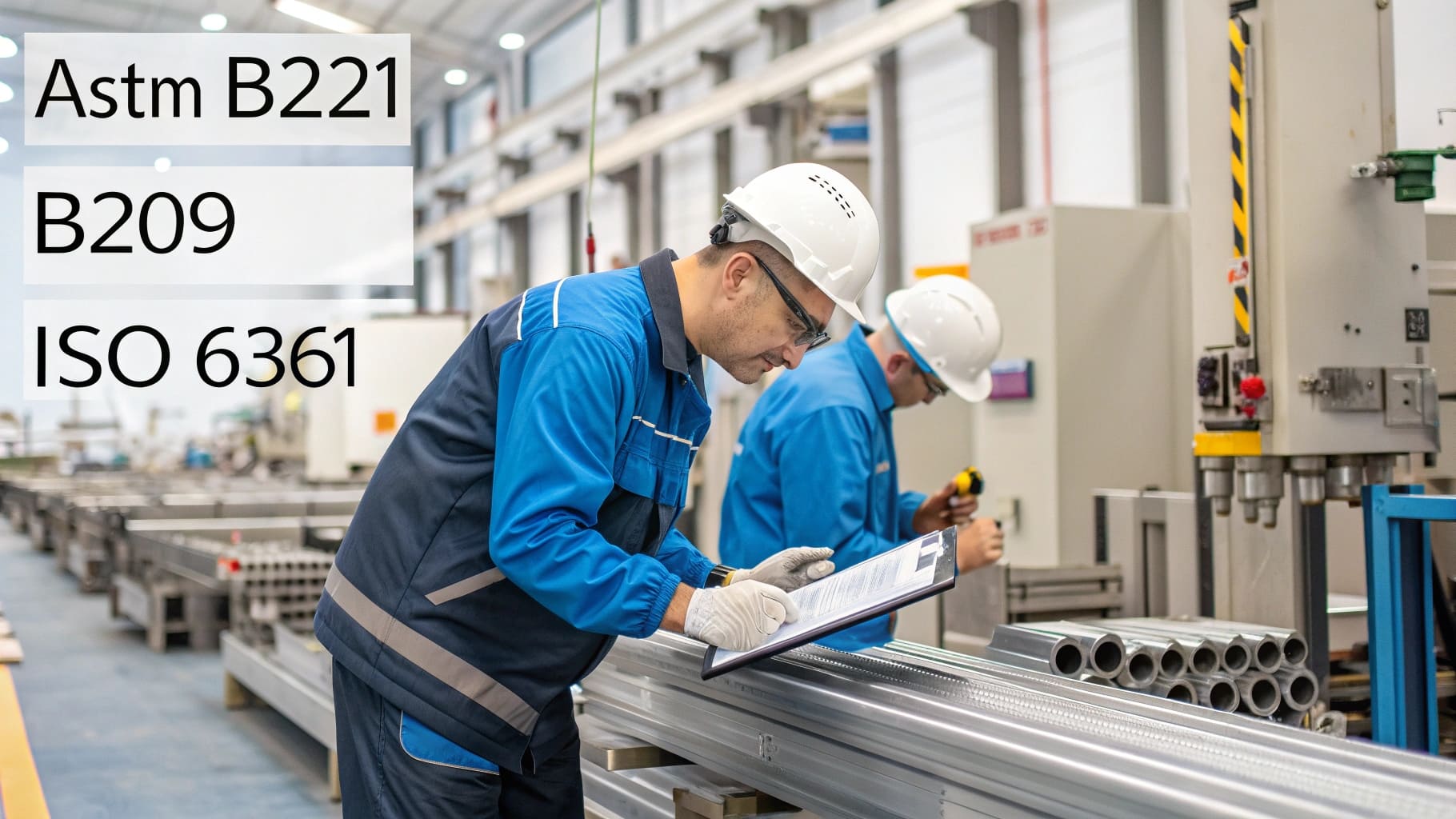
Overview of Standards
The key standards for 6061-T6 include:
- ASTM B221: Covers aluminum extrusions, such as rods, bars, and tubes.
- ASTM B209: Applies to aluminum sheet and plate products.
- ISO Standards: ISO 6361 is also relevant for international projects.
These standards define the chemical composition, mechanical properties, and manufacturing tolerances, ensuring that parts meet precise specifications for safety and performance.
What is the yield strength of aluminum?
Yield strength varies across aluminum grades, and knowing the differences is important for material selection.
Yield strength in aluminum ranges from 10,000 psi for soft alloys to 45,000 psi for high-strength alloys like 7075-T6.

Factors Affecting Aluminum Yield Strength
Several factors influence yield strength:
- Alloy Composition: Higher magnesium and silicon content increases strength.
- Heat Treatment: Processes like T6 tempering enhance mechanical properties.
- Work Hardening: Cold working can raise strength but reduce ductility.
6061-T6’s yield strength of 35,000 psi makes it a balance of strength, weight, and corrosion resistance.
What is the quality of T6 6061 aluminum?
Quality matters when selecting materials for critical applications. T6 6061 aluminum consistently delivers excellent results.
T6 6061 aluminum is high-quality, offering durability, corrosion resistance, and machinability, suitable for aerospace, automotive, and structural applications.

Evaluating Quality
Here’s what makes 6061-T6 reliable:
- Mechanical Properties: Balanced strength and flexibility.
- Corrosion Resistance: Excellent performance in marine and industrial environments.
- Machinability: Easily machined, welded, and anodized.
- Cost-Effectiveness: Provides high value for the price compared to other alloys.
Its consistent quality ensures it meets the needs of demanding industries without compromising on performance.
Conclusion
6061-T6 aluminum is a versatile and high-performance material with a yield strength of 35,000 psi, balancing strength, weight, and corrosion resistance. Perfect for quality-critical applications.
-
Exploring the properties and applications of 6061-T6 aluminum can help you understand its suitability for high-strength requirements in various industries. ↩