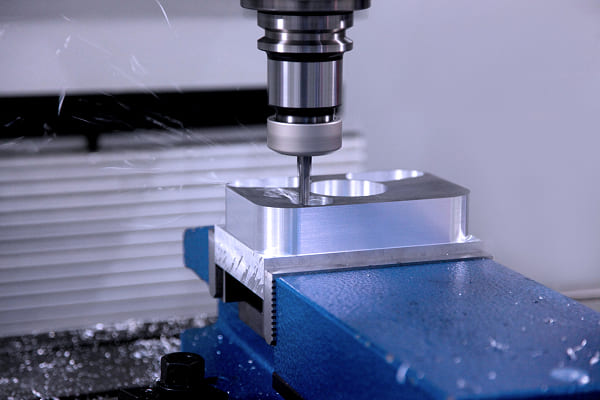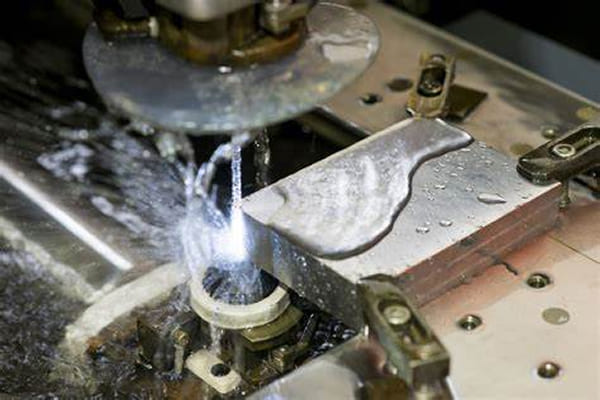
Aluminum CNC machining is everywhere — but many businesses still struggle with price, quality, and lead time.
Aluminum CNC machining is a manufacturing process that uses computer-controlled machines to cut and shape aluminum into precision parts with tight tolerances, fast turnaround, and repeatable quality.
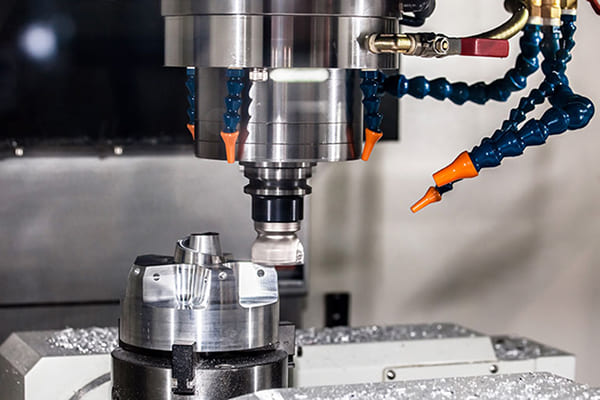
If you're trying to decide whether CNC-machined aluminum is right for your project, or you're unsure about pricing and tolerances, this article will help. Let’s look at everything you need to know.
What is CNC machined aluminum?
Aluminum looks simple — but machining it right can be tricky without the right knowledge or supplier.
CNC machined aluminum is aluminum material that has been precisely cut and shaped by a computer-controlled machine, usually using milling, turning, or drilling tools.
How does it work?
CNC stands for Computer Numerical Control. It means a machine is programmed with instructions, and it executes those instructions to shape the material. Aluminum is one of the most popular materials used because it’s soft, lightweight, and easy to machine.
Why aluminum?
Compared to steel or titanium, aluminum is lighter, has excellent corrosion resistance, and can be machined at higher speeds. That’s why it’s used for both simple housings and complex mechanical parts.
| Material | Weight (g/cm³) | Corrosion Resistance | Machinability | Cost |
|---|---|---|---|---|
| Aluminum | 2.7 | Excellent | Very good | Moderate |
| Stainless Steel | 7.9 | Excellent | Medium | High |
| Titanium | 4.5 | Excellent | Difficult | Very High |
If you're working with products that need good strength-to-weight ratio, aluminum is a smart choice.
What Are the Advantages and Characteristics of Aluminum CNC Machining?
You want low cost, fast delivery, and good accuracy — but not every supplier can give you all three.
Aluminum CNC machining offers high precision, fast processing, repeatability, and compatibility with many surface finishes, making it ideal for prototypes and production.
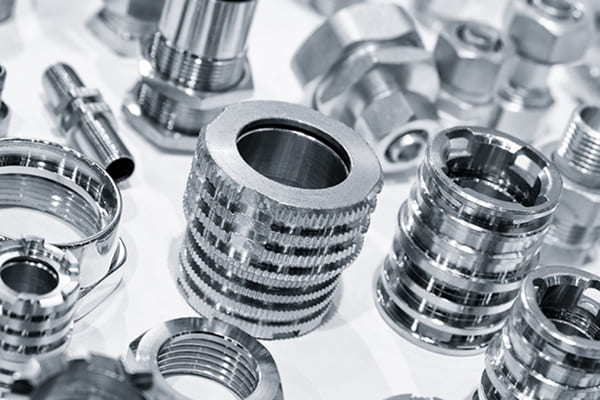
Benefits that matter in real projects
1. Precision
CNC machines can hold tolerances as tight as ±0.005mm. For most aluminum projects, this level of accuracy is more than enough.
2. Speed
Aluminum machines quickly. Our factory can produce a simple part within 1–2 days, depending on complexity and quantity.
3. Surface Finish
You can choose from raw, anodized, bead-blasted, or powder-coated finishes. Each gives a different look and function.
| Finish Type | Appearance | Durability | Extra Function |
|---|---|---|---|
| Raw Machined | Shiny metallic | Low | None |
| Anodized | Matte/satin | High | Corrosion resistance |
| Bead Blasted | Smooth matte | Medium | Aesthetic appeal |
| Powder Coated | Color coated | Very High | Weather and scratch resistance |
4. Compatibility with many industries
From consumer electronics to aerospace, aluminum CNC parts are used in all kinds of applications. It’s a flexible choice.
5. Cost Efficiency
When volume goes up, price per part goes down. But even for small batches, aluminum is relatively affordable compared to other metals.
Which Types of Aluminum Alloys Are Suitable for CNC Machining?
All aluminum is not the same — choosing the wrong grade could affect strength, appearance, or cost.
The most common aluminum alloys used in CNC machining are 6061, 7075, and 5052, each with different properties and applications.
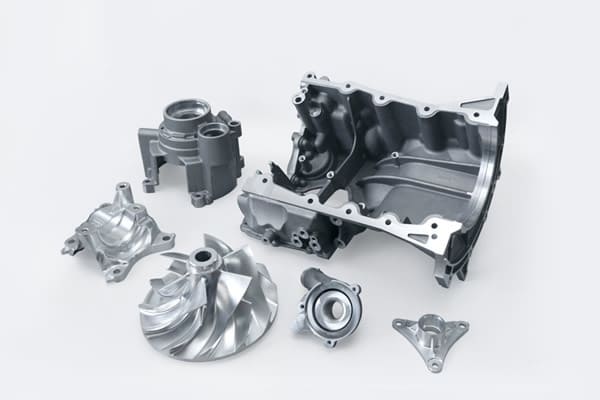
Know your alloys
6061 – Most common and cost-effective
This alloy is the standard choice. It offers good strength, corrosion resistance, and is easy to machine. Ideal for mechanical parts, enclosures, and prototypes.
7075 – High strength for demanding parts
Much stronger than 6061, but more expensive. It’s used in aerospace and structural parts. It machines well but is not as corrosion-resistant.
5052 – Great for sheet metal parts
This grade is softer, excellent for bending or forming. It’s not usually used for high-precision machining, but can be useful for simple formed components.
| Alloy | Strength | Corrosion Resistance | Machinability | Cost |
|---|---|---|---|---|
| 6061 | Good | Good | Excellent | Low |
| 7075 | Excellent | Moderate | Good | High |
| 5052 | Moderate | Excellent | Fair | Medium |
Choosing the right alloy depends on your part’s function, appearance, and budget.
What Are the Main Applications of Aluminum CNC Machining?
Some parts are made to last. Others are made to impress. Aluminum CNC parts can do both.
Aluminum CNC parts are used in industries like aerospace, automotive, electronics, robotics, medical, and consumer products due to their versatility and performance.
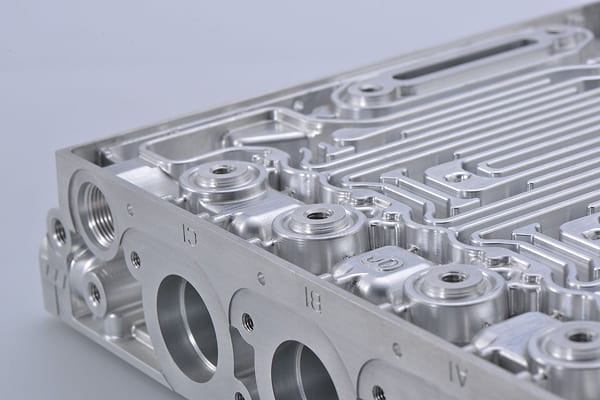
Real-world uses
1. Aerospace
Aircraft brackets, housings, and lightweight components are often made from 7075 or 2024 aluminum alloys.
2. Automotive
Prototypes, transmission parts, and heat sinks are commonly machined from 6061 due to its thermal properties.
3. Electronics
Smartphone frames, laptop shells, and heat-dissipating enclosures often use anodized aluminum.
4. Medical Devices
High precision surgical tools and lab equipment made from biocompatible aluminum grades.
5. Robotics and Automation
Aluminum is ideal for structural components that require light weight and high accuracy.
| Industry | Common Part Types | Alloy Often Used |
|---|---|---|
| Aerospace | Mounts, structural frames | 7075 |
| Automotive | Housing, heat sinks | 6061 |
| Electronics | Enclosures, frames | 6061, 5052 |
| Medical | Tools, holders | 6061 |
| Robotics | Brackets, moving arms | 6061, 7075 |
If you're designing for performance and weight, aluminum is a great starting point.
What Are the Latest Technologies and Trends in Aluminum CNC Machining?
CNC machining keeps changing. If you’re using old methods, you might be wasting time and money.
New technologies in aluminum CNC machining include 5-axis machining, digital quality inspection, automation, and AI-powered design optimization.
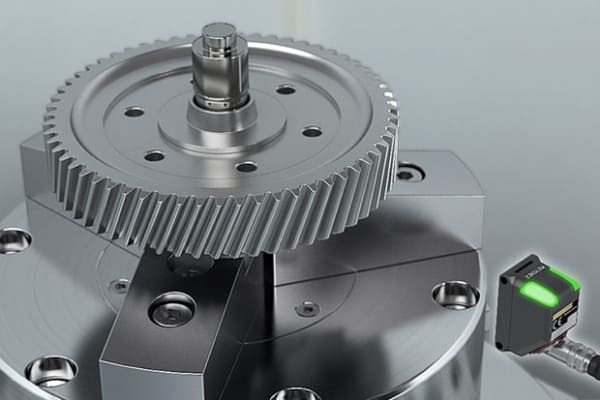
What’s new in the industry?
1. 5-axis CNC machining
Allows cutting from multiple angles in a single setup. Great for complex geometries and reduces lead times.
2. High-speed machining
Modern CNC machines run at higher spindle speeds. This reduces cycle time while keeping surface quality high.
3. Automation
More shops are using automatic loading/unloading, real-time feedback systems, and digital tracking to reduce human error and increase consistency.
4. Smart inspection systems
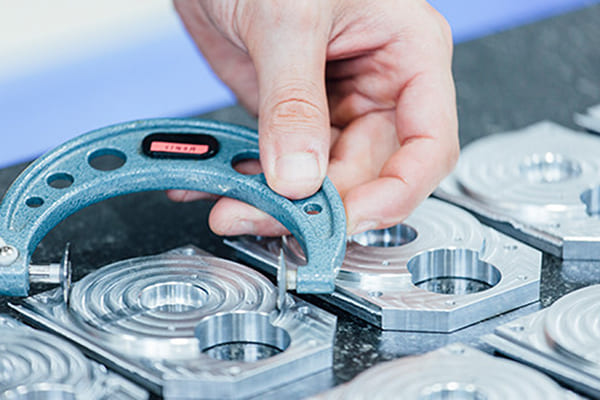
We now use coordinate measuring machines (CMMs), optical scanners, and laser systems to confirm tolerances automatically.
5. AI & simulation-based optimization
Advanced CAM software can now analyze your design and suggest changes to reduce machining time or material waste.
| Technology | Benefit |
|---|---|
| 5-axis Machining | Fewer setups, complex parts |
| High-Speed Machining | Faster lead time, better surface |
| Digital Quality Control | Lower defects, consistent results |
| AI Optimization | Cost savings, smarter designs |
Staying updated with these trends helps us keep quality high and delivery fast — without raising costs.
Conclusion
Aluminum CNC machining offers precision, flexibility, and speed — making it a strong choice for many industries.