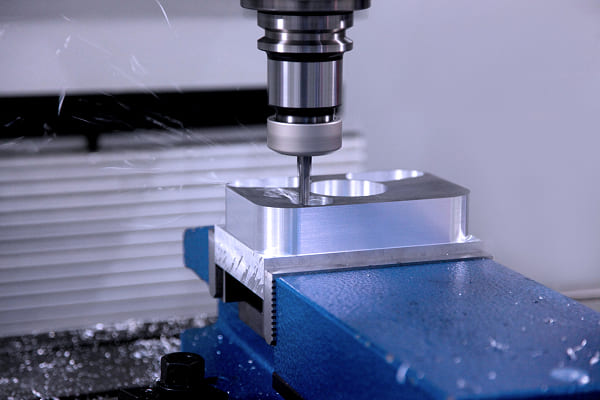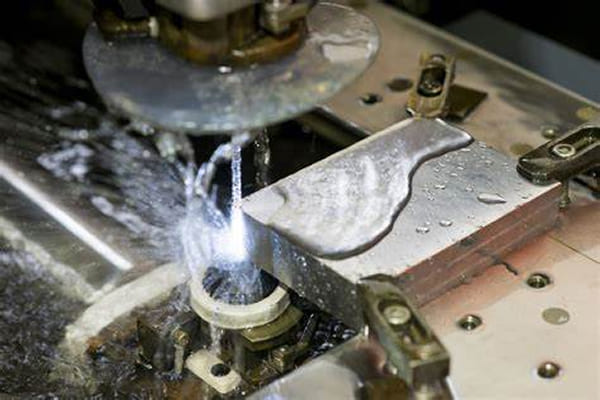
Scratches and defects on CNC machined parts can lead to expensive rework and customer dissatisfaction. Preventing these issues is essential to ensure quality and save costs.
To prevent scars on CNC machined parts, you need to address design, tooling, machine settings, and handling practices. Comprehensive protection is key to maintaining flawless finishes.

Ensuring high-quality machined parts requires understanding the root causes of surface damage and implementing effective strategies. Let's dive into how to achieve this.
What is deformation in CNC machining?
Deformation in CNC machining is a common issue that can compromise the quality and precision of parts. It can arise from material stresses, machining processes, or environmental factors.
Deformation occurs when internal stresses or external forces cause parts to deviate from their intended shape during machining. Managing these stresses is critical for accuracy.
Factors that contribute to deformation:
- Material properties: Thin, soft, or high-stress materials are more prone to deformation.
- Machining forces: Excessive cutting forces can cause deflection, especially on fragile parts.
- Heat generation: High temperatures during cutting can lead to thermal deformation.
How to minimize deformation:
| Solution | Description |
|---|---|
| Optimize material selection | Choose materials with stable properties and low internal stress. |
| Use proper tool geometry | Employ tools designed to reduce cutting forces and improve chip removal. |
| Reduce cutting parameters | Lower feed rates and depths of cut to minimize machining forces. |
| Ensure uniform clamping | Apply even clamping to avoid creating stress points on the material. |
By addressing these factors, you can reduce deformation and ensure the dimensional accuracy of parts.
What are the visual defects in machining process?
Visual defects in CNC machining affect both the aesthetics and functionality of parts. These defects can range from scratches to discoloration.
Common visual defects in CNC machining include tool marks, scratches, dents, and burn marks. Preventing them requires precise operations and proper handling.
Major types of defects:
- Tool marks: Caused by improper tool settings or worn-out tools.
- Scratches: Occur during material handling or machining.
- Burn marks: Result from excessive heat during cutting.
- Surface irregularities: Caused by improper tool paths or machine vibrations.
Steps to avoid visual defects:
- Maintain tools: Regularly inspect and replace worn tools.
- Use proper coolant: Prevent overheating and ensure smooth cutting.
- Protect parts: Use soft fixtures and avoid direct metal-to-metal contact during handling.
By improving machining processes and handling, you can achieve defect-free finishes.
What are the common problems in a CNC machine?
CNC machines, though highly efficient, can encounter issues that affect productivity and quality. Understanding these problems can help in proactive troubleshooting.
Frequent CNC issues include machine vibration, tool wear, software errors, and improper calibration. Regular maintenance is vital for preventing downtime.
Common CNC problems:
- Tool wear and breakage: Affects part quality and leads to downtime.
- Machine vibrations: Causes surface finish issues and reduces tool life.
- Software errors: Lead to inaccurate tool paths or machine crashes.
- Calibration issues: Result in dimensional inaccuracies.
Preventive measures:
| Problem | Solution |
|---|---|
| Tool wear | Implement regular tool inspection and replacement. |
| Machine vibrations | Balance tools and ensure rigid setups. |
| Software errors | Update software and verify tool paths. |
| Calibration issues | Conduct regular machine calibration checks. |
Preventive maintenance ensures machine reliability and consistent performance.
How can I improve my CNC accuracy?
Achieving high accuracy in CNC machining is essential for meeting customer specifications and ensuring functional parts.
To improve CNC accuracy, focus on optimizing machine calibration, tool settings, material stability, and environmental controls.
Strategies to enhance accuracy:
- Calibrate machines: Regular calibration ensures precise movements.
- Stabilize materials: Use stress-relieved materials to minimize distortion.
- Optimize tool paths: Use software to plan efficient and accurate tool paths.
- Control temperature: Maintain a stable workshop environment to reduce thermal effects.
By implementing these practices, you can enhance the precision and reliability of your CNC processes.
How to protect the appearance of parts from every aspect of production?
Protecting the appearance of parts requires a holistic approach, from material selection to post-machining handling.
To protect part surfaces, implement strict handling protocols, use protective packaging, and maintain cleanliness throughout the production process.
Comprehensive protection plan:
- Material handling: Use soft gloves and dedicated tools to avoid scratches.
- Packaging: Wrap parts in soft, non-abrasive materials.
- Turnover protection: Use foam-lined trays for moving parts between workstations.
- Post-machining care: Perform inspections and clean parts to remove any debris.
Key considerations for handling:
| Step | Best Practice |
|---|---|
| Material preparation | Use protective coatings or films on sensitive materials. |
| Workstation setup | Ensure clean, clutter-free surfaces with no sharp edges. |
| Transport between stages | Use cushioned carriers to prevent parts from colliding. |
A well-planned approach ensures the flawless appearance of machined parts, saving costs on rework.
Conclusion
Preventing scars on CNC machined parts requires a thorough approach, from understanding root causes to implementing preventive measures in design, machining, and handling processes.